

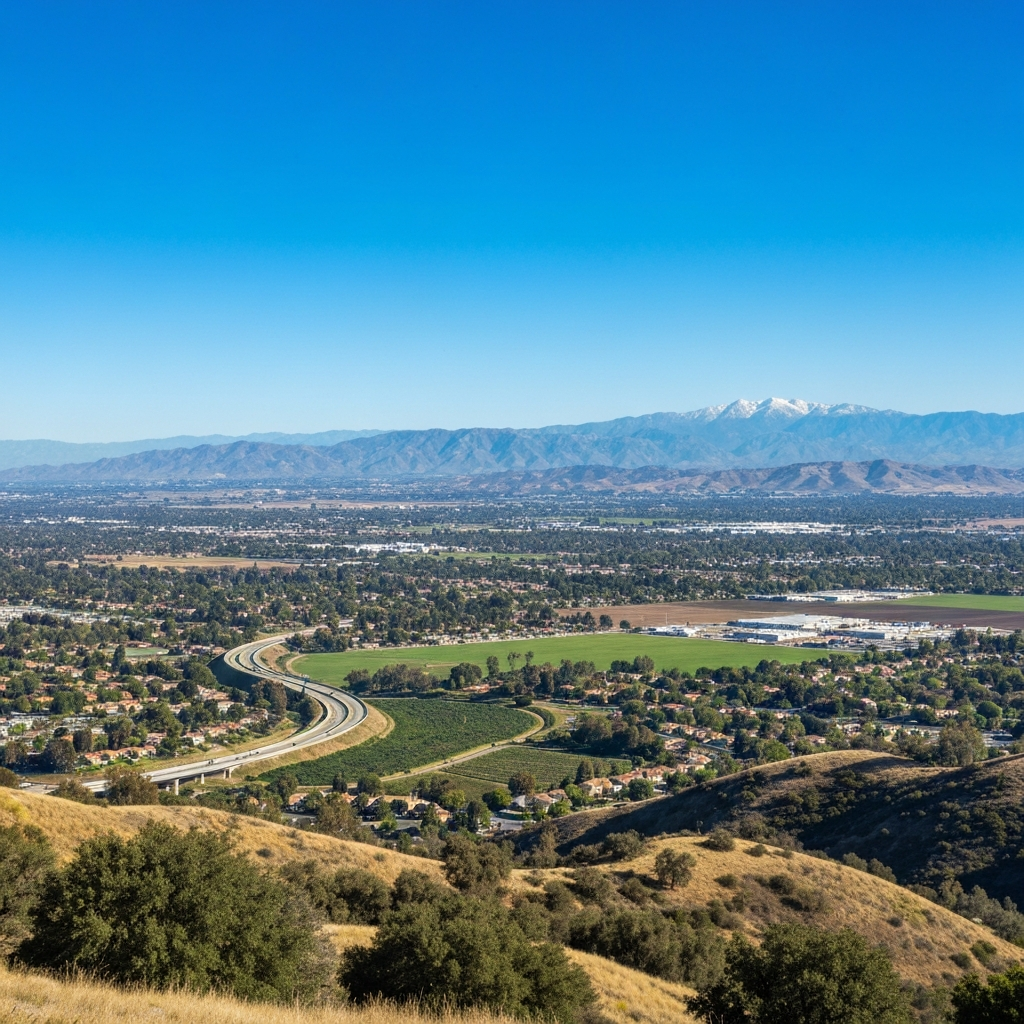
Simi Valley, nestled in Southern California, experiences a warm-summer Mediterranean climate, characterized by hot, dry summers and mild, wet winters. This climate classification, known as Csb in the Köppen system, influences the region’s weather patterns and environmental conditions.
Temperature Trends
Throughout the year, Simi Valley’s temperatures vary significantly. The hot season spans approximately three months, from late June to late September, with average daily high temperatures exceeding 82°F. August stands out as the warmest month, boasting an average high of 87°F and a low of 63°F. Conversely, the cool season lasts about 3.7 months, from late November to mid-March, with average daily highs below 68°F. December is typically the coldest month, featuring an average low of 46°F and a high of 67°F.
Precipitation Patterns
Rainfall in Simi Valley is predominantly concentrated in the winter months. February emerges as the wettest month, averaging 3.39 inches of precipitation. In contrast, the summer months are notably dry, with August receiving an average of just 0.02 inches of rainfall. Annually, the city accumulates approximately 12.25 inches of precipitation.
Environmental Considerations
The distinct seasonal variations in Simi Valley’s climate have significant environmental implications. The dry summers elevate the risk of wildfires, necessitating proactive fire prevention measures and community awareness. Conversely, the wetter winters contribute to the region’s water resources but can also lead to challenges such as soil erosion and localized flooding.
Understanding these climatic patterns is essential for residents and local authorities to effectively prepare for and respond to the environmental challenges and opportunities presented throughout the year.